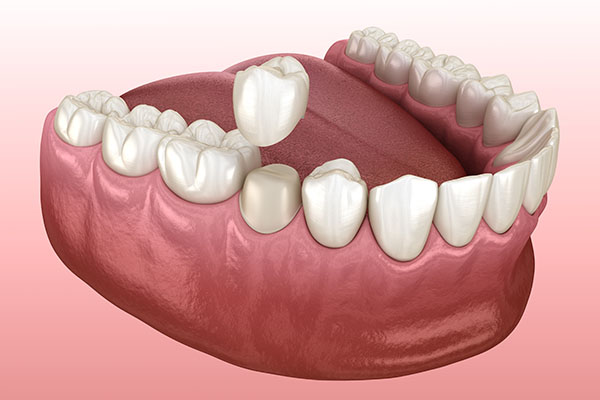
When someone has had a root canal, people usually think of a dental crown as the next procedure. During a root canal, the dentist first drills a tiny hole in the tooth's surface. The infected pulp is then removed, and the inner layer of the tooth is cleaned to remove any residue. Finally, the dentist places a filling or another oral restoration on the tooth, such as a dental crown. This article talks about why a dental crown may be helpful after a root canal.
The importance of placing a dental crown after a root canal
A root canal can prevent further infection, but it does not protect the tooth from deterioration. Combined with tooth decay, a root canal treatment weakens the tooth by reducing the amount of healthy tissue inside it. A dentist will consider protecting the tooth with a dental crown to prevent it from disintegrating. After a root canal, a patient will most likely need a dental crown:
Protect a weak tooth
A tooth is weakened by tooth cavities and has considerable dental tissue cleaned out during a root canal. When the strain of chewing and grinding is combined with cavities and a root canal, the tooth is at risk of breaking. A crown protects the tooth by covering it, strengthening its exterior structure, and preventing it from cracking.
Prevent teeth sensitivity
During a root canal, the dentist may decide to remove only a portion of the pulp. The remaining teeth structure can become sensitive to heat, cold, strain, acid, and sugar. A crown covers and protects the tooth from these elements.
Cover discoloration
Tooth discoloration may be caused by tooth decay or a root canal. The tooth can be covered with a dental crown for aesthetic purposes.
Previous dental restoration
If a root canal is done on a tooth that has previously gotten a filling due to tooth decay, the likelihood of the tooth developing another problem in the future is high. A crown entirely covers the tooth and protects it from infection in the future.
When a crown is not required
Crowns are needed to restore the back teeth because they prevent the tooth from breaking apart when handling the pressure of chewing and grinding food. The front teeth are not subjected to the same amount of stress as the molars. They can be restored with a dental filling and left without a crown after a root canal. If the front tooth has been discolored due to decay, a crown could be placed for aesthetic reasons. It all boils down to the affected tooth.
In summary
If the tooth is in good shape following a root canal, the dentist may decide to use only composite material alone, especially if it is a front tooth. The dentist would almost always suggest that a crown be mounted on a molar with its dental pulp taken out. The dentist will devise a suitable and permanent remedy based on the state of the tooth. However, if you have undergone a dental restoration previously, a dental crown is recommended.
Request an appointment or call Serenity Dental Spa at 415-376-6196 for an appointment in our San Francisco office.
Related Posts
A dental crown offers a durable way to protect a damaged tooth while restoring a natural look and full function to a patient's smile. This long-term solution covers a vulnerable area to prevent further breakage or decay. While these restorations are incredibly strong, they require specific care to remain in top shape for a decade…
Dental crowns come in a range of material options, including zirconium and porcelain. These materials vastly increase the aesthetics and reliability of dental crowns as compared to past alternatives. Regardless of the material, most dental crowns look and work well. However, there are some significant variations between these options to be aware of. This article…
Dental crowns are incredibly useful for tooth restoration because they can fix various aesthetic defects and restore strength to teeth that have been weakened by decay or injuries. One of the most important advantages of crowns is their longevity; with good treatment, your new crowns will last a long time. Knowing what precautions to take…