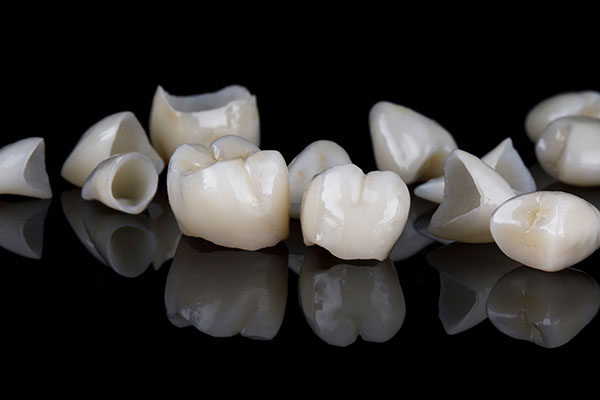
A dental crown and veneers are common dental treatments for restoring the appearance and functionality of your teeth. They can be used to restore damaged teeth and achieve a perfect smile depending on your dental condition. Although both dental crowns and veneers are useful tooth restoration options, the purpose, structure, and functionality of each differ.
An overview of dental crowns
A dental crown's primary function is to shield a damaged tooth. Crowns are often used when teeth are severely decayed or after a root canal procedure, when teeth cannot handle dental functions in the long term. The structure of the original tooth is filed down before the crown is cemented over the tooth.
Dental crowns may be made from different materials, but most dentists only use porcelain dental crowns. Dental restorations will be hard to distinguish because they are color-matched to your real teeth. The result is not only a better-looking smile but also better oral health and improved dental functions.
An overview of dental veneers
Dental veneers, unlike dental crowns, replace only a part of the natural tooth. Their purpose is to enhance the appearance of teeth that are broken, discolored, or misshapen. Veneers are also effective for improving the aesthetics of healthy teeth.
Dental veneers are thin porcelain materials that are molded and polished to match the color and texture of the natural teeth and bonded with resin cement. To bind the veneers to the teeth, the dentist will remove a thin layer of the natural enamel. They are affixed to the front of the teeth, which are visible when smiling. The veneers would be indistinguishable from the natural teeth when completed, giving you a simple fix for a better smile.
The differences
The dentist will assess the current condition of the teeth and the degree of repair required to achieve an aesthetically appealing outcome when determining which dental treatment is right for you. Dental crowns and veneers both enhance the beauty of the smile and can last a lifetime if well cared for and maintained.
Unlike dental crowns, veneers are mostly considered for aesthetic purposes because they cannot patch cavities, lost or fractured teeth, but they can heal holes and chips and close gaps between teeth that are unsightly. Dental crowns are usually needed for full tooth restoration.
Getting a good overview of the options is crucial to making the best decision. The decision becomes clearer after that. Patients who are considering these two restorations as part of their dental restoration plan need to know that they are excellent smile restoration choices. Understanding the distinctions between a crown and a veneer will assist you in deciding which solution is best for you.
The bottom line
Dental crowns are often used to keep teeth from breaking and requiring removal, whereas veneers are commonly used to correct cosmetic problems. If you are interested in learning more about a dental crown or veneer, please contact the dental office to arrange a consultation.
Request an appointment or call Serenity Dental Spa at 415-376-6196 for an appointment in our San Francisco office.
Related Posts
Dental crowns come in a range of material options, including zirconium and porcelain. These materials vastly increase the aesthetics and reliability of dental crowns as compared to past alternatives. Regardless of the material, most dental crowns look and work well. However, there are some significant variations between these options to be aware of. This article…
Dental crowns are incredibly useful for tooth restoration because they can fix various aesthetic defects and restore strength to teeth that have been weakened by decay or injuries. One of the most important advantages of crowns is their longevity; with good treatment, your new crowns will last a long time. Knowing what precautions to take…
A dental crown can help to fix a variety of dental issues like chipped, cracked, broken, decayed, or deformed teeth. The crown covers up the visible part of the tooth and restores its function. Getting a dental crown placed on a tooth typically involves two trips to the dentist. The first is used to prepare…