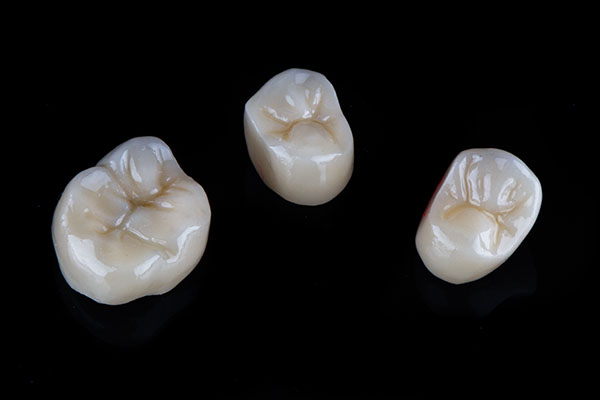
Dental crowns come in a range of material options, including zirconium and porcelain. These materials vastly increase the aesthetics and reliability of dental crowns as compared to past alternatives. Regardless of the material, most dental crowns look and work well. However, there are some significant variations between these options to be aware of. This article compares the common dental crown materials.
Dental crown materials
Some of the common dental crown materials include:
Composite resin
A dental composite is a form of synthetic resin. Composite is commonly used in fillings and is customizable to match the appearance of surrounding teeth. The composite material can also be used to make solid crowns with curing and drying. Dental composite crowns are suitable for people who are sensitive to both metal and porcelain materials. Although composite crowns are not the sturdiest or most resilient, they are a viable option for dental restorations.
Composite crowns have several advantages, including a reduced cost compared to gold and porcelain crowns, the ability to mitigate tooth sensitivity, and a less reactive soft feel than other metals. Those who are not sensitive to metal or porcelain may not be satisfied with composite crowns compared to other types of crowns because they are less durable and have a shorter lifespan.
Gold crowns
Thanks to its durability, gold material is commonly used in dentistry. In the mouth, gold is less reactive compared to other metals. Gold is even gentle on the teeth on the opposite side of the crown. Gold is particularly beneficial for patients who grind or clench their molar teeth regularly. Although gold is lightweight, it is extremely durable and solid.
Gold allows for conservative crown preparation while also preserving healthy tooth structure. Glass ionomer cement, which decreases sensitivity, works well with gold. However, since gold is not aesthetically pleasing, it is not commonly used for dental crowns.
Porcelain crowns
Of all the crown materials, full porcelain crowns have the most realistic appearance. This crown has a beautiful appearance and fits in well with the rest of the teeth. Porcelain is also preferred for its inability to conduct heat and cold efficiently. This suggests that sensitivity to hot and cold foods is reduced during the initial placement time.
Porcelain crowns have the rare disadvantage of causing damage to neighboring teeth. However, such harm is uncommon and is usually caused by excessive teeth grinding or clenching.
Porcelain fused to gold
Patients have the best of all worlds when porcelain and gold materials are combined. For those finding a combination of power and visual appeal, porcelain crowns fused to gold crowns are ideal. Porcelain is fused and then layered on a gold alloy frame. The porcelain provides visual appeal when the patient opens his or her mouth to speak, smile, or chew, while the gold base protects the tooth.
In conclusion
It is important to consult the dentist when considering any dental care. The comparison provided above is solely intended to assist you in properly understanding dental crown materials. Remember that each individual is unique, and their anatomical considerations and health have a greater impact on the kind of dental care one requires.
Request an appointment or call Serenity Dental Spa at 415-376-6196 for an appointment in our San Francisco office.
Related Posts
Dental crowns are incredibly useful for tooth restoration because they can fix various aesthetic defects and restore strength to teeth that have been weakened by decay or injuries. One of the most important advantages of crowns is their longevity; with good treatment, your new crowns will last a long time. Knowing what precautions to take…
A dental crown can help to fix a variety of dental issues like chipped, cracked, broken, decayed, or deformed teeth. The crown covers up the visible part of the tooth and restores its function. Getting a dental crown placed on a tooth typically involves two trips to the dentist. The first is used to prepare…
Dental crowns can restore your natural smile and dental function. Many individuals suffer from low self-esteem due to their teeth condition, but this improves when they get dental crowns. However, these crowns are not inexpensive, and you must keep them in good shape to ensure that they last a long time. Dental crowns will last…