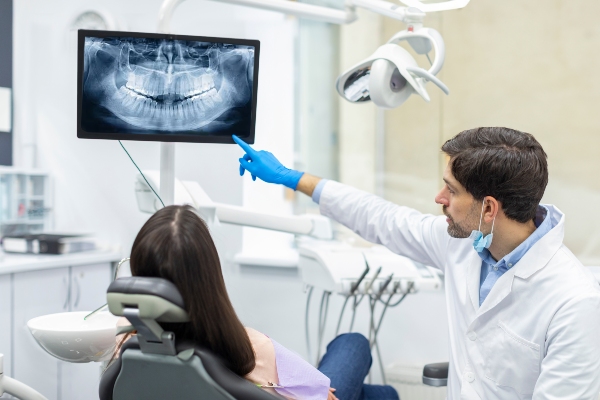
 Visiting dental practices remains important for individuals seeking proper strategies to maintain clean teeth and healthy gums. Effective brushing and flossing habits prevent cavities and gum disease, contributing to oral comfort. While these techniques may appear simple, many people benefit from expert guidance to ensure thorough and gentle oral care. The following recommendations offer step-by-step insights into brushing and flossing methods that help preserve tooth structure and support healthier gums.
Selecting the right tools
It is important to note that not everyone will use the same oral products, as everyone has differing needs. A dental practice can recommend the most suitable products for each patient to ensure their care needs are consistently and thoroughly addressed in between visits. For example, a soft-bristled toothbrush effectively removes plaque from patients with sensitive teeth while avoiding enamel erosion and gum irritation. However, a medium-bristled brush may provide better results for a patient with dental fillings.
Further, dentists often recommend brushes with small heads, enabling easier access to all areas of the mouth. Electric toothbrushes are another option for those who prefer automated brushing motions. Dentists will also review appropriate toothpaste and mouthwashes for each patient to better support their enamel, gums, and protection against cavities.
Brushing technique
According to MouthHealthy, the most effective brushing technique involves holding the toothbrush at a 45-degree angle to the gum line. Then, use gentle, circular motions, allowing bristles to sweep the gum margin. This motion helps dislodge debris and plaque that accumulate near the base of the teeth. Avoid excessive force, which may lead to gum recession or enamel abrasion.
Dentists often suggest brushing for at least two minutes, ensuring each quadrant of the mouth receives equal attention. A timer on an electric toothbrush or a simple stopwatch can assist with achieving the recommended duration. Focus on covering the outer, inner, and chewing surfaces of all teeth, making sure to brush the tongue as well. Tongue brushing eliminates bacteria that contribute to bad breath and plaque formation.
Flossing essentials
Daily flossing removes plaque and food particles in areas a toothbrush cannot easily reach. Wrap a piece of dental floss (about 18 inches long) around the middle fingers of both hands, leaving a few inches of floss to glide between teeth. Gently slide the floss between each pair of teeth, forming a C-shape against the tooth to hug its surface. Move the floss up and down, paying attention to the gum line without applying excessive pressure. Advancing the floss to a fresh section for each tooth reduces the transfer of bacteria from one area to another. A dental practice may recommend alternatives such as floss picks or water flossers for those who find traditional flossing challenging.
Call us for more tips and tricks
While the above tips are crucial, consistency remains crucial for preventing plaque buildup and reducing the likelihood of cavities or gum infections. A dental practice offers personalized recommendations, ensuring that tools and methods align with each patient's unique oral health needs as they evolve. To ensure you are using the right tools and products and performing the right techniques, contact Serenity Dental Spa.
Request an appointment or call Serenity Dental Spa at 415-376-6196 for an appointment in our San Francisco office.
Related Posts
Regular visits to a dental practice are essential to maintaining optimal oral health and preventing potential dental problems. Typically, dental professionals recommend scheduling routine check-ups every six months, although individual needs may vary based on specific oral health conditions. Regular examinations allow dentists to monitor oral health, identify issues early, and provide preventive care, ultimately…
A dental practice can do much more than clean teeth. It is a place where the health and function of your smile are carefully watched and treated. By seeing a dentist often, minor issues can be identified and treated before they become more advanced. Looking out for the health and function of the smile helps…
For parents, the first loose tooth marks a significant milestone in their child's oral health journey. At this stage, guidance from a dental practice helps ensure the process remains comfortable and stress-free. Understanding the appropriate steps when managing a child's loose tooth can ease concerns, encourage proper dental habits, and support healthy development. The following…