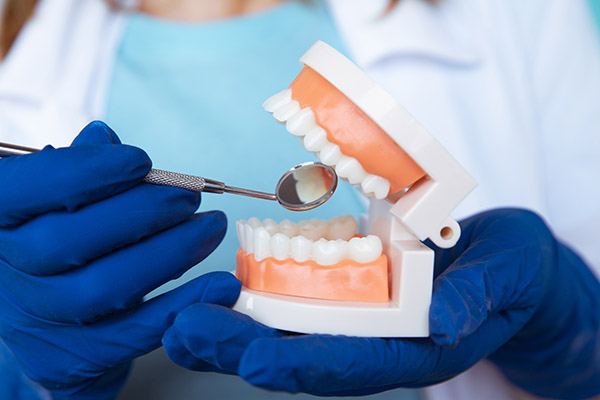
 There are many routine dental procedures patients typically experience annually. The most common elements of dental checkups include X-rays and a cleaning. However, what happens if there is a problem with the gums? Even the most diligent patient may sometimes miss the early warning signs of gum disease. In this case, the dentist may perform further treatments that go beyond what is traditionally included in the scope of normal preventative care. Take a look at how dentists spot gum disease and some of the ways it is treated.
What is gum disease?
The gums are responsible for molding around teeth, covering the roots and ensuring that everything stays where it should. When bacteria penetrate the gums, it can compromise this tissue. Gingivitis is the common term dentists use to describe the precursor to gum disease. At this stage, the gums appear red and inflamed around the teeth. A dentist can usually help treat gingivitis through increased cleanings and office visits. Periodontitis is when the condition deteriorates. This is considered gum disease. Periodontal treatments with a practitioner who has a concentrated practice in this issue may be warranted.
What routine dental procedures treat gum disease?
Brushing, flossing and cleanings with a hygenist can help stop the progression of gingivitis to gum disease. However, in some instances, these routine procedures do not work and advanced treatment is necessary. People who go too long before getting treatment for gum disease may lose teeth if the tissue around them is compromised beyond repair. Some advanced treatments may be warranted depending on how the disease has developed.
Non-surgical treatment
Aside from usual tooth cleaning, dentists may step the cleanings up to help rid the gums of the bacteria infecting them. Scaling and planing is a method used to perform a much deeper cleaning of the mouth, with a concentration on the gum line and below it. The dental professional focuses on removing thicker layers of tartar and plaque from around and under the gum line. The dentist or hygenist may also then take the time to smooth out areas of the teeth that are pitted or uneven, either from bacterial intrusion or plaque and tartar build-up. This helps to discourage future bacterial growth in the grooves of these teeth.
Surgical intervention
Some cases of gum disease may require a more aggressive approach. Surgery is one option that some patients may consider, especially if the gums are in bad shape. According to WebMD, there are five common surgical procedures that can help restore the gums and fend off tooth loss:
- Bone graft
- Pocket/flap reduction
- Tissue regeneration
- Bone surgery
- Tissue grafts
All of these procedures generally include thorough cleanings under the gum lines and, in some cases, a transplanting of bone from one area to another.
Check out what others are saying about our dental services on Yelp: Routine Dental Procedures in San Francisco, CA.
Conclusion
Keeping gums healthy is a top priority of routine dental procedures. Dentists want to help patients ensure that the mouth is healthy enough to sustain the teeth for many years ahead.
Request an appointment or call Serenity Dental Spa at 415-376-6196 for an appointment in our San Francisco office.
Related Posts
More than likely, you have had a dental checkup multiple times in your lifetime. So, you know a hygienist cleans the teeth and a dentist performs an oral examination. You also understand that either a hygienist or a technician takes X-rays during the visit. However, have you ever wondered just how important the X-rays are?…
You might wonder when you need to have a dental checkup since it is critical to your oral health. Taking care of the teeth is one of the most significant steps in maintaining your health. That is why getting an appointment every six months is a good starting point. Keep reading to learn more about…
If you go to a dental clinic for a dental checkup, the dentist offers all kinds of treatment options. However, many of those treatments are common. That means dentists see patients every day for the same types of issues. Keep reading to learn more about these common treatments.A dentist has the knowledge and training to…