5 Treatments from a Laser Dentist to Benefit the Health of Your Smile
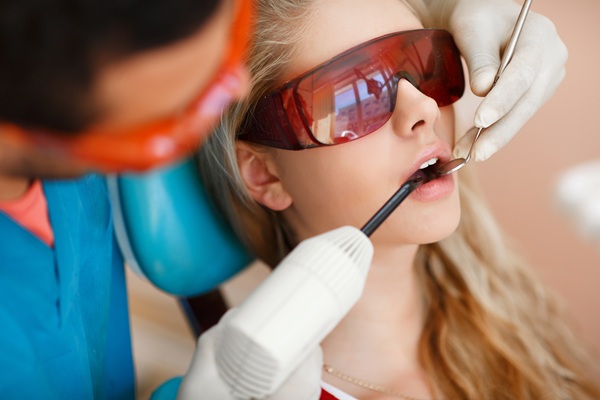
A laser dentist can use focused light technology to make certain dental treatments more precise, comfortable, and efficient. Many patients feel nervous about dental care because they associate appointments with drills, pressure, or long recovery times. However, laser dentistry can offer a different experience for some procedures by targeting specific areas of the mouth while helping preserve healthy tissue. Patients can look forward to a more comfortable treatment experience and, often, a shorter recovery time.
Benefits of laser dental care
Possible benefits of seeing a laser dentist include:
- Less bleeding during certain soft-tissue procedures
- Reduced swelling after some treatments
- More precise removal of damaged or infected tissue
- Less vibration and pressure during certain cavity treatments
- Support for a more comfortable patient experience
Laser technology does not replace every traditional tool or treatment, but it can make certain procedures more precise and comfortable. A dentist can discuss what a laser-assisted procedure would involve before treatment begins.
5 common treatments from a laser dentist
A dentist may use lasers for the following:
1. Gum disease treatment
Gum disease can affect not only the gum tissue but also the area of the jawbone that supports the teeth. Early signs include redness, swelling, bleeding, tenderness, or persistent bad breath. Another common sign is gum recession: when bacteria collect below the gumline, causing the gums to pull away from the teeth.
A dentist may use laser technology as part of gum disease treatment. In these cases, the dentist directs laser energy toward the affected gum tissue and the bacteria within the periodontal (gum) pockets. The laser can help remove diseased tissue and reduce bacterial counts, all while protecting nearby healthy tissue.
Laser-assisted care can support a faster recovery from gum disease treatment. This is because the dental laser can seal small blood vessels as it works, which may help reduce bleeding and swelling.
2. Precision cavity treatment
Cavity treatment often brings one image to mind: the dental drill. While traditional tools remain useful and necessary in many situations, lasers can offer an alternative for certain types of tooth decay. A laser dentist can use a hard-tissue laser to remove decay with high precision.
Laser cavity treatment focuses on the damaged part of the tooth. This can help preserve more healthy enamel and tooth structure than traditional methods. Keeping more natural tooth structure can support the strength of the final restoration.
Some patients also appreciate that laser treatment may involve less vibration and pressure than a traditional drill. Patients may need less numbing medication, though this depends on the size and location of the cavity. A dentist can explain whether laser treatment is appropriate for the specific tooth and level of decay.
3. Cosmetic gum contouring
A balanced smile depends on more than tooth color and shape. The gumline also affects how the smile looks. When the gums cover too much of the teeth or sit unevenly from tooth to tooth, the smile may appear shorter, less balanced, or asymmetrical.
A dentist can use a soft-tissue laser to reshape the gumline with precision. This treatment, called gum contouring, removes small amounts of excess gum tissue to reveal more of the natural tooth structure. The result is a more even frame around the teeth.
4. Teeth whitening
Over-the-counter (OTC) whitening products may help with mild surface stains, but a dentist can provide stronger teeth whitening options in a controlled setting. Some offices may use laser-assisted whitening to help speed up the process.
During this treatment, the laser dentist first applies a high-quality whitening gel to the teeth. Then, they activate the whitening solution with a laser, helping it break down stains more efficiently. This approach can help patients achieve the results they want faster than other teeth-whitening methods.
5. Treatment for canker sores and cold sores
Canker sores and cold sores can make eating, drinking, speaking, and brushing uncomfortable. These small lesions may feel especially frustrating because they can appear suddenly and linger for days. Thankfully, treatments with a soft-tissue laser can help manage discomfort and support healing.
Laser treatment for oral sores usually takes only a short amount of time. The laser dentist directs low-level laser energy at the affected area without cutting the tissue. Many patients feel relief soon after treatment because the laser can help calm irritated nerve endings.
Early treatment can be particularly helpful for cold sores. When patients schedule care at the first tingling or burning sensation, laser therapy may reduce the severity or length of the outbreak. A laser dentist can explain whether this option may fit the patient’s symptoms and oral health history.
Schedule a consultation
A laser dentist can use modern technology to support gum therapy, cavity care, cosmetic gum contouring, whitening, and relief from certain oral sores. The goal is to help make these treatments more comfortable yet precise. Call our office for more information.
Request an appointment here: https://serenitydentalspa.com or call Serenity Dental Spa at (415) 376-6196 for an appointment in our San Francisco office.
Check out what others are saying about our services on Yelp: Laser Dentist in San Francisco, CA.
Related Posts
Laser dentistry has revolutionized modern dental care, offering patients a more comfortable and efficient experience than traditional methods. Laser dentistry uses focused light energy, allowing dentists to perform various procedures with increased precision, reduced discomfort, and faster healing times. As this technology advances, it becomes an increasingly popular choice for routine treatments and more complex…
Laser dentistry is a less invasive way to treat gum disease. Continue reading to learn more about how laser dentistry is used to treat periodontal disease. Gum disease is caused by oral bacteria in plaque and tartar building up on teeth roots and gum pockets. Plaque, a sticky film that develops in the mouth, contains…
A laser dentist uses innovative dental technology in the form of dental lasers (lights) to provide a less-invasive and more precise treatment, reducing the need for sedation and allowing for safe and effective procedures. Among other things, laser dentists can treat common cavities.Laser dentistry is a relatively new concept for many patients, and laser dentists…
You might wonder when you need to have a dental checkup since it is critical to your oral health. Taking care of the teeth is one of the most significant steps in maintaining your health. That is why getting an appointment every six months is a good starting point. Keep reading to learn more about…